The Independence Debate
8.3 Energy Cooperation with the Rest of the UK
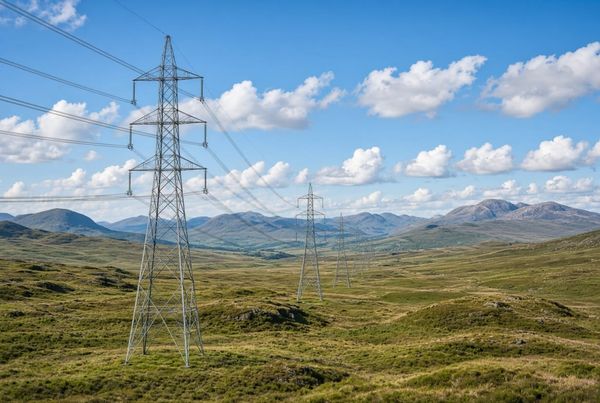
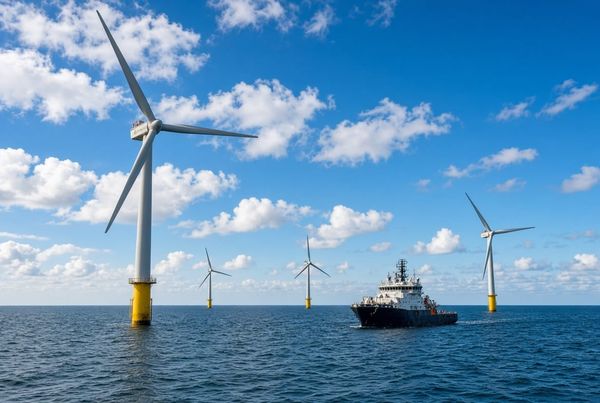
The GB systems are highly integrated; Scotland is a major exporter of renewable electricity southwards and relies on wider system balancing and supply security.
The Independence Debate is a structured examination of the constitutional, monetary, fiscal and institutional questions any independence process would have to answer. It covers the legal route to a referendum, the fiscal starting position, currency, nuclear basing, free movement and trade priorities. It does not assume independence would be easy or cost-free.
The Independence Debate
The GB systems are highly integrated; Scotland is a major exporter of renewable electricity southwards and relies on wider system balancing and supply security.

The Independence Debate
A substantial share of net revenues from oil, gas and, over time, other natural resource income would be paid into the Scottish Wealth Fund. Strict, legislated rules would govern the Fund, modelled on the Norwegian Government Pension Fund Global.
The Independence Debate
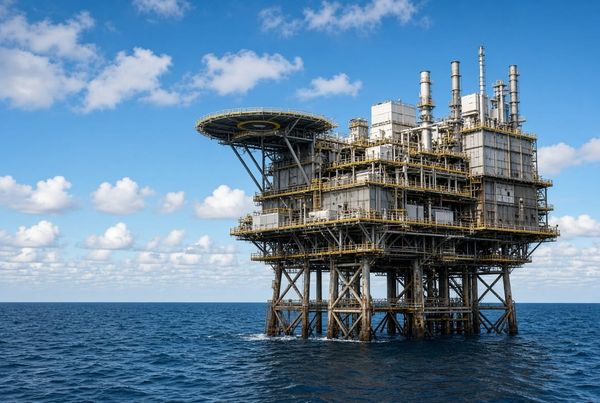
Scotland would control the oil and gas resources in its territorial waters and on its share of the continental shelf.
The Independence Debate
Scotland’s energy position into a strategic asset. Control of resources funds the Wealth Fund, renewables provide the long-term growth engine, and practical cooperation with the rest of the UK protects consumers and system reliability.

The Independence Debate
Scotland would attract and retain business and investment by offering political and economic stability, a skilled workforce, strong universities, a clear long-term energy advantage, and a competitive but predictable tax and regulatory environment.
The Independence Debate
The system would be designed to prevent anti-competitive behaviour and unfair subsidies while giving the Scottish Government flexibility to support strategic industries, regional development and the energy transition.
The Independence Debate
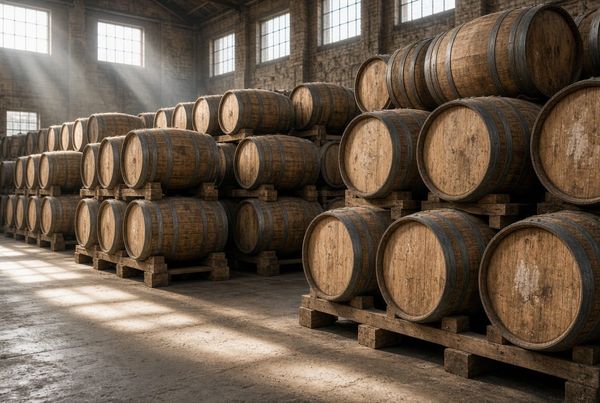
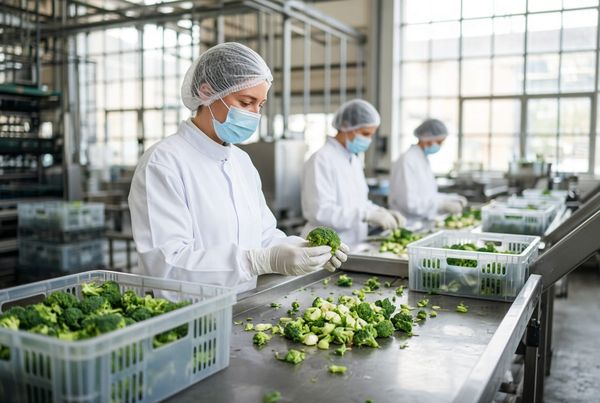
Priority would be given to agreements that open markets for Scotland’s strongest export sectors: food and drink, energy and low-carbon goods and services, professional and financial services, advanced manufacturing, and tourism-related services.
The Independence Debate
In practice, it would take a pragmatic approach: maintain close alignment with rUK rules in areas where divergence would create high cost or disruption for businesses that trade heavily across the border—particularly food, product standards, chemicals, and key manufactured goods
The Independence Debate
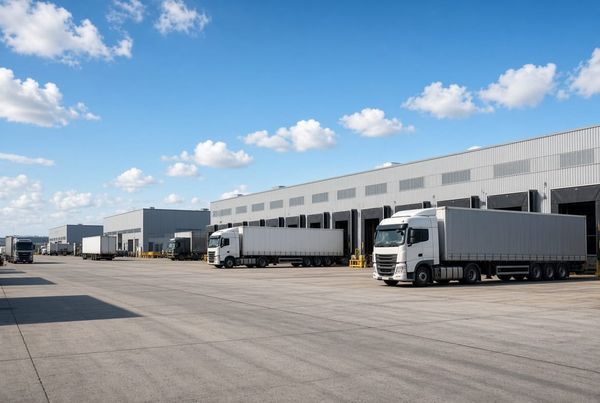
The border and regulatory arrangements with rUK would be designed first and foremost to protect this relationship, because no other market comes close in volume or integrated supply chains.
The Independence Debate
Trade and economic policy is where this framework's continuity-first design meets the commercial reality of Scotland’s economy. The rest of the UK is, and would remain, the dominant market for Scottish goods and services.
The Independence Debate
Scotland would establish its own international development policy and aid programme, shaped by Scottish priorities and values. The Scottish Parliament would set a target spending level, commonly expressed as a percentage of gross national income.

The Independence Debate
Under the principles of the Vienna Convention on Succession of States in respect of Treaties and related customary international law, not all UK treaties automatically bind a newly independent Scotland, nor does it automatically succeed to them.